Summary
From ScienceDaily
Astronomers have witnessed a spectacular cosmic collision in the Andromeda galaxy, where a small star spiraled into a giant star 18,000 times brighter than the Sun, triggering a violent eruption. NASA’s James Webb Space Telescope captured the aftermath just 47 days later, revealing new details about how two stars can merge into one.
Read at ScienceDailyDiscussion
More in Space
See allNato chief vows defence against space threat after Russian nuclear satellite reports
German media said Russia planned to launch a satellite with a nuclear warhead into space in coming weeks.

States sue SpaceX to stop Grok from generating child sex images, revenge porn
X says every Grok output is screened, but state AGs say Grok is still making CSAM.

Russia will launch a routine ISS supply mission tomorrow—apparently, it's a big secret
"I would ask you to please reach out to Roscosmos directly."
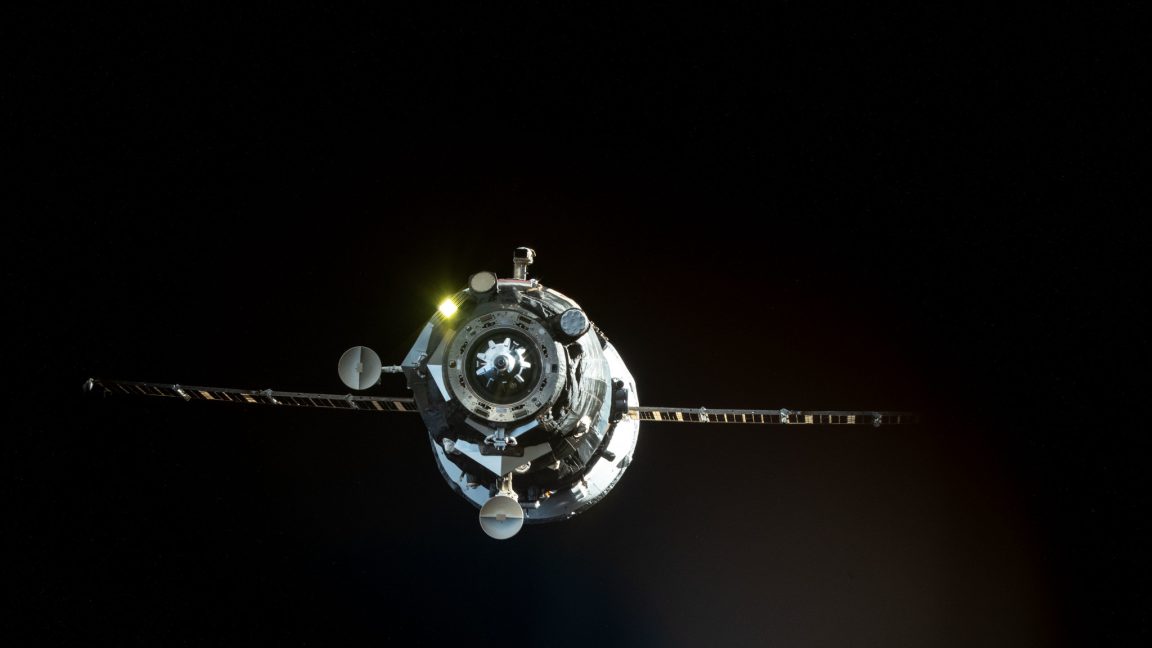
Reports: Russia may launch nuclear weapon into orbit as soon as next month
A nuclear detonation in space "could cause rapid and sudden loss or degradation of thousands of satellites."
Two monster black holes from the dawn of time defy explanation
Astronomers have discovered the oldest known compact pair of quasars, powered by two enormous black holes that existed just 900 million years after the Big Bang. Weighing an astonishing 1.5 billion and 400 million times the mass of the Sun, these cosmic giants somehow grew to incredible sizes far earlier than current theories can explain.