RMH News
8 Windows apps you should probably remove from your PC
From pre-installed junk to popular apps that have better alternatives, these are the apps you should clean off your PC if they're present.
San Francisco is enjoying an AI boom, but worries about a crash are growing
AI employees in the industry's epicentre - San Francisco - worry that the sector is overheated.

Public vs. private IP addresses: what's the difference?
One identifies your network, the other identifies the devices using your network.

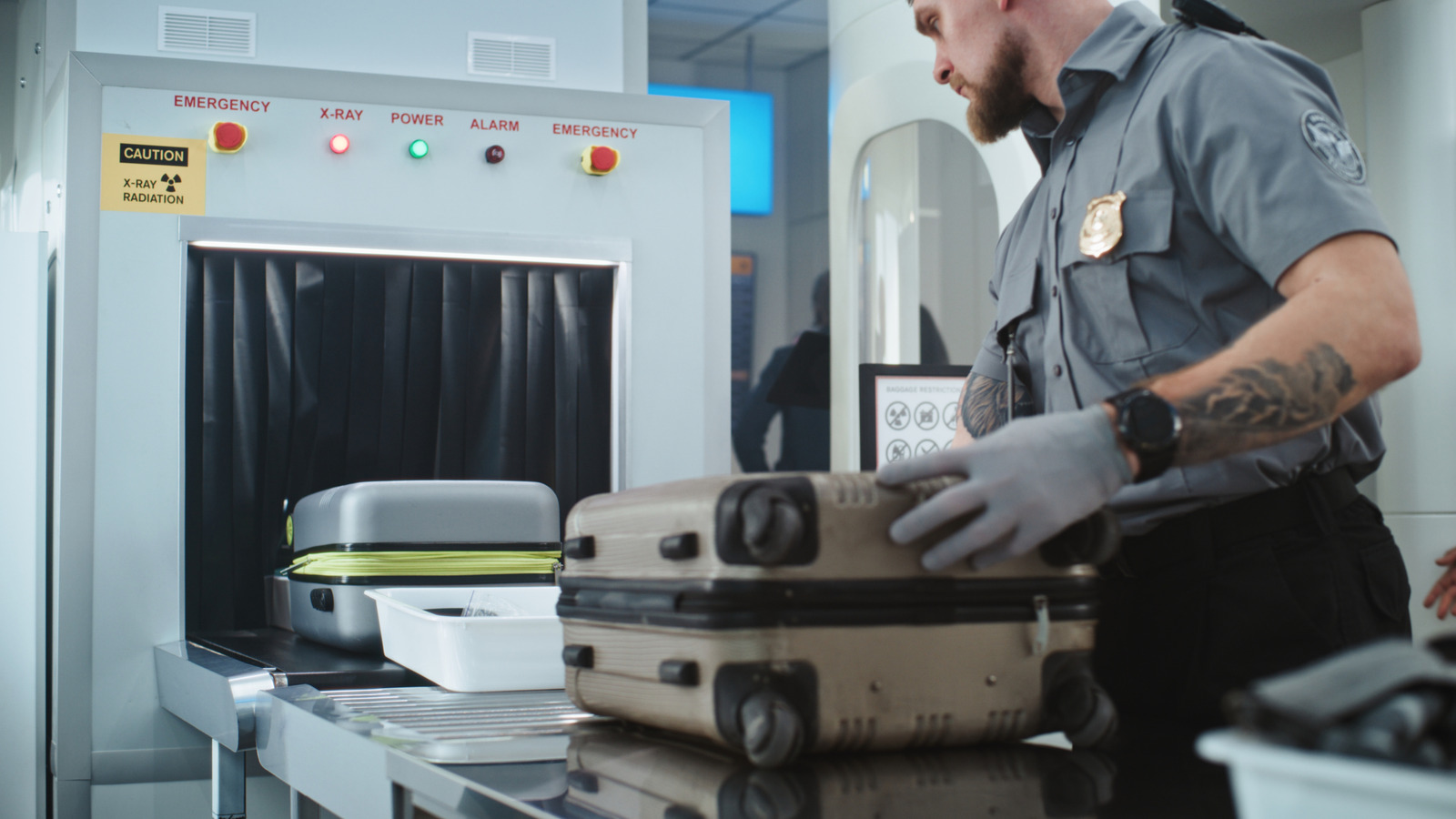
What is the best way to secure your PlayStation 5 for a flight?
You don't have to leave your precious PS5 behind when flying, but you will need to take some precautions or opt for a long-distance streaming relationship.
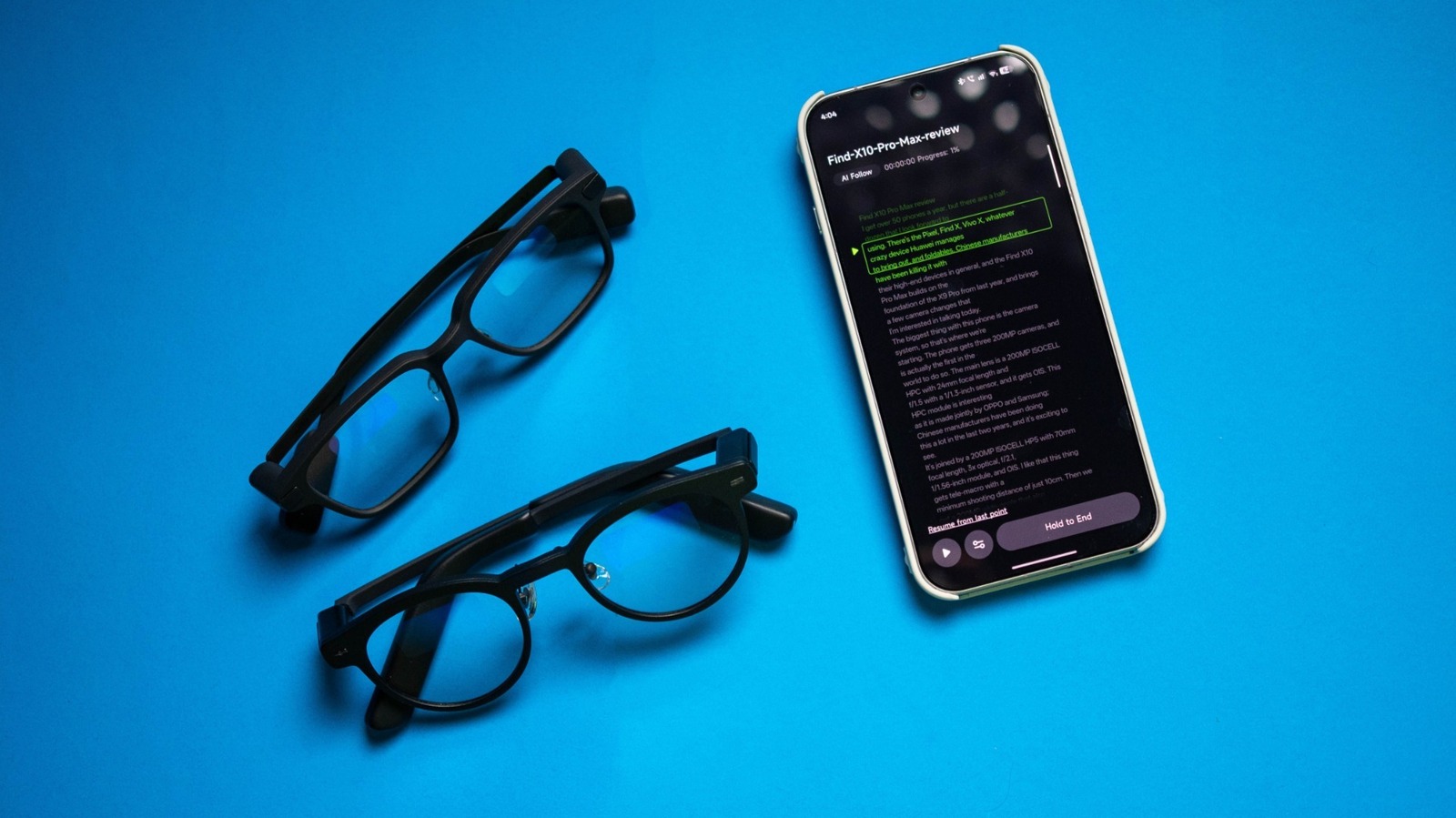
How to use AI glasses as a teleprompter
If you have the right type of smart glasses, this is an easy feature to enable.
‘You Can See Everything’ has made more than $100M worldwide
The new Elizabeth Holmes documentary is just beginning to roll out internationally.
Common medications may secretly rewire your gut, with effects lasting for years
Medications taken years or even long ago may leave lasting changes in your gut microbiome, according to a study of more than 2,500 people. Researchers discovered that common drugs, including antidepressants, blood pressure medications, and anxiety treatments, can leave microbial “fingerprints” long after patients stop taking them. Surprisingly, some anxiety medications had effects comparable to broad-spectrum…
OpenAI’s chief scientist has thoughts on how to limit AI development
To establish a speed limit on AI development, you need to agree on how to measure speed.
The best apps to make new friends right now
We've compiled a list of friendship apps, from friend discovery platforms like BFF to event-focused ones like Timeleft.
Type 2 diabetes linked to 53% higher Alzheimer’s risk, major review finds
People with type 2 diabetes face a 53% higher risk of developing Alzheimer’s disease, according to a major new review of 40 studies. Researchers estimate that nearly five out of every 1,000 people with type 2 diabetes develop Alzheimer’s each year. By focusing specifically on these two conditions, the study offers a clearer understanding of a potentially serious connection between metabolic health and brain health.
What's next after no deal at COP31 climate summit?
The COP31 climate summit in Turkey has formally come to an end after countries failed to agree a deal.

Why data centers are at the center of the Big Tech backlash
Journalist Paris Marx unpacks his new book "Hyperscale."
TechCrunch Mobility: A/B testing robots vs. humans
Welcome back to TechCrunch Mobility, your hub for the future of transportation and, now more than ever, the role AI is playing in it.
Can a TV be too large? An investigation
Can a TV be too large? This writer's recent upgrade to a 65-inch OLED came with some unexpected challenges.
GLP-1 drugs could have a surprisingly large environmental payoff
GLP-1 drugs could cut food demand enough to free farmland larger than Italy.

8 Best Travel Adapters (2026): 20+ Models Tested
When going abroad, the right plugs are essential to keep your gadgets charged. These are my favorite travel adapters and chargers that I’ve tested myself.

Interstellar solar sails hit a bizarre problem at 75% of light speed
Scientists have discovered a surprising obstacle to interstellar travel: at extreme speeds, the light propelling futuristic solar sails could actually begin slowing them down. Once a spacecraft reaches 75% of the speed of light, some scattered light starts producing drag, potentially complicating humanity’s plans to reach distant stars.
A mysterious gap hints at black holes born from stars that never exploded
Massive stars may be quietly collapsing into black holes without ever producing the spectacular supernova explosions scientists typically expect. A surprising pattern in 257 black hole mergers suggests these mysterious stellar disappearances could explain the origins of a large population of black holes throughout the universe.
DNA’s secret sunscreen may have helped life survive on early Earth
Scientists have uncovered a surprising reason why early life may have survived Earth's intense ultraviolet radiation: a key component of DNA appears to turn potentially destructive damage into something easier to repair. The discovery could help solve a decades-old evolutionary mystery and reveal how life endured the harsh conditions of our planet's earliest days.
Best Black Friday Nintendo Switch 2 Deals (2026): Switch 2 Bundles and Games
Get your game on for less with these Black Friday deals on official Nintendo Switch 2 bundles and games.

A 194-year-old tortoise has a remarkable anti-aging secret hidden in its DNA
At an astonishing 194 years old, Jonathan the giant tortoise is the world's oldest living land animal, and scientists may have finally uncovered the secrets behind his extraordinary lifespan. Researchers identified 287 unique genetic variants linked to processes that help repair damaged DNA, control inflammation, regulate insulin, and suppress cancer.
Best Gifts for Mom (2026): Digital Wall Calendars, Better Bags, Personalized Jewelry, and More
From a calendar that keeps my family organized to a frame that rescues photos from my camera roll, these favorites make thoughtful gifts.

The Sunday Papers
Sundays are for googling local purveyors of live Christmas trees, the sole upside of no longer having a cat being that you can once again enjoy the smell of chopped woodland without the risk of it poisoning a family member. Well, then again, I mean... empirically speaking, you're probably just assuming that your human loved ones haven't eaten spruce needles. Can you say for an absolute fact that they wouldn't?…
Banks Have Had It Up to Here With Your AI Agent
Major US financial institutions are banning third-party bots from logging into your accounts—and warning that any costly bot mistakes are strictly your problem.

Mysterious Mercury gets a visitor - after spacecraft's eight-year epic voyage
The mission is set to give us our best ever view of Mercury - the closest planet to the Sun.

Scientists Tried to Kill This Dirt, but It Wouldn’t Die
Biologically important chemical reactions persisted in the sterilized soil for six years—offering clues to how life on Earth may have gotten its start.

How This Year’s Super El Niño Will Worsen Global Hunger
While some regions get wetter, others face massive drought. On top of wars and cuts to foreign aid, the weather phenomenon could leave millions of people in vulnerable countries without enough to eat.

New draft deal aims to avert collapse of talks at COP31 climate summit
The UN COP31 meeting in Turkey enters a second day of overtime as countries struggle to reach an agreement.

Record-breaking sightings of rare moth in Essex
There is now a self-sustaining population of the moth at a nature reserve in Essex, a charity says.

AI uncovers hidden bladder cancer warning signs years before diagnosis
Scientists have developed an AI tool that can uncover hidden warning signs of bladder cancer up to five years before diagnosis, identifying 85% of cases in a major study involving nearly 70,000 patients. By revealing subtle patterns that conventional screening misses, the technology could help doctors detect cancer earlier and spare patients unnecessary invasive procedures.